Individual property assessments
Every Aurora roof is evaluated according to its age, material, slope, exposure, drainage, and current condition.
Roofing for Aurora Properties
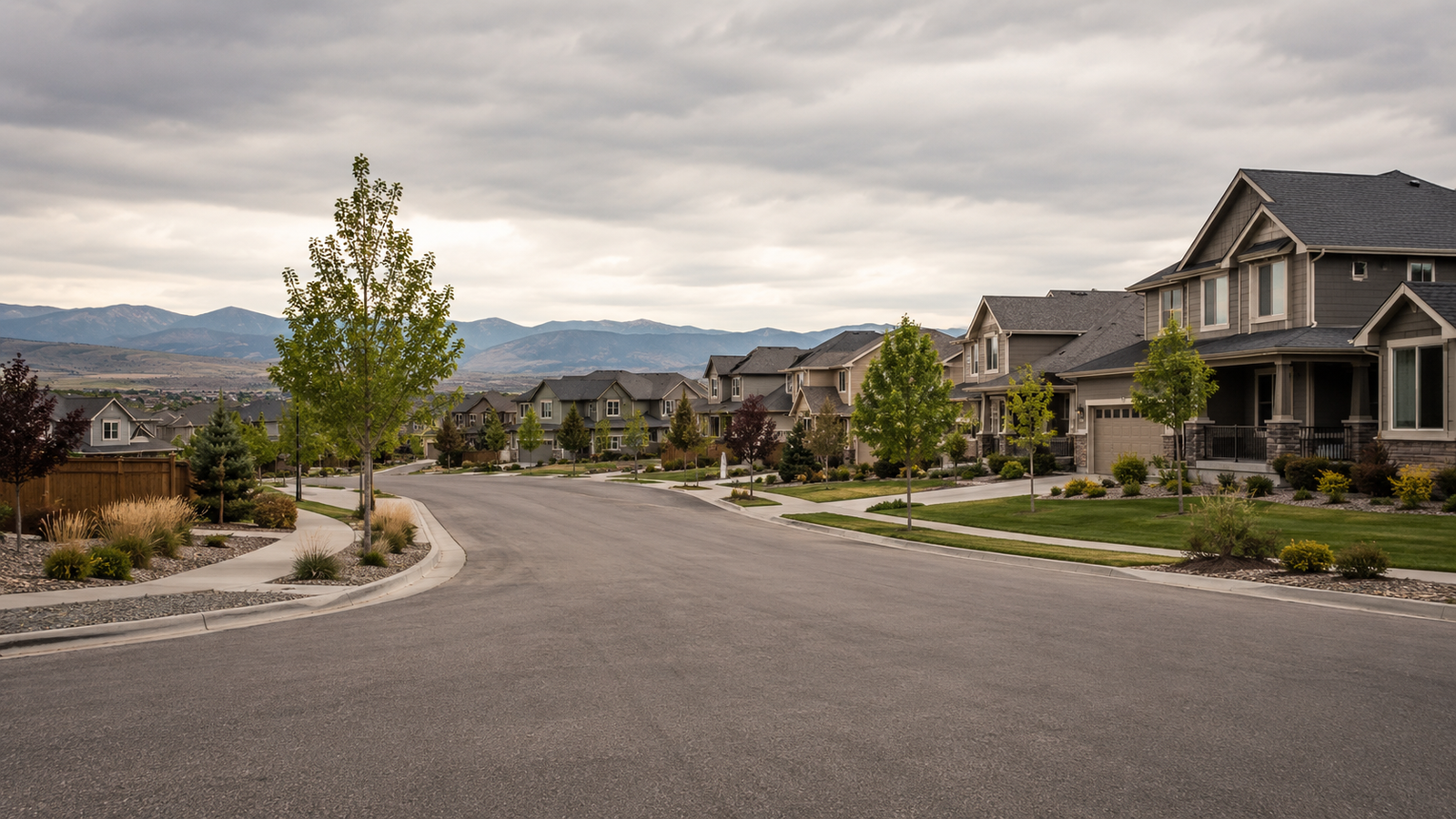
Aurora's vast area spans post-war neighborhoods, 1990s subdivisions, and new developments, each with different roofing profiles and weather exposure.
Aurora includes established areas near Downtown Aurora (1950s-1970s), large 1990s subdivisions in south Aurora (Stapleton/Replace, Parkview Hills), and newer developments in southeast Aurora.
Aurora sees 15-20 hail days annually, among the highest in the metro. South metro corridor properties face direct exposure to storm systems moving east from the foothills. The 2017 hailstorm caused $2B+ in damage across Aurora.
Lower tree coverage than Denver proper. Newer subdivisions in southeast Aurora have minimal mature tree cover. Established neighborhoods near Aurora Reservoir have moderate oak and maple coverage.
Slightly higher than Denver proper, with elevation increasing toward the south. Creates similar UV exposure patterns but with slightly warmer summer temperatures accelerating material aging.
Most Aurora homes feature standard architectural shingles on 6:12 pitch gable roofs. Townhome complexes and newer developments use composite materials. Low-slope sections常见 in commercial-adjacent properties.
Aurora's position in south metro hail corridor means more frequent impact events. Homes built 1990-2005 often face their first major hail event as shingles reach end of 20-year warranty.
Aurora's position in south metro hail corridor means more frequent impact events. Homes built 1990-2005 often face their first major hail event as shingles reach end of 20-year warranty.
Fast-built 1990s-2000s subdivisions sometimes had rushed installation. Wind-lifted shingles and inadequate nailing patterns are common findings in 15-30 year old Aurora roofs.
Large roof planes in newer subdivisions channel significant water volume. Gutter and downspout systems must handle 600+ sq ft of roof area per downspout for proper drainage.
Every Aurora roof is evaluated according to its age, material, slope, exposure, drainage, and current condition.
We document visible roofing conditions without promising a particular insurance decision or claim result.
When both approaches are possible, we explain the likely benefits, limitations, and planning considerations of each.
Customers receive clear information about the inspection, written scope, scheduling, weather delays, and project completion.
Whatever the service and wherever your property is located in the Denver metro, we approach every job with the same standards: inspect carefully, explain clearly, and do the work right.
Replace an aging or damaged roof with a system planned for Colorado weather.
Learn MoreInspect, document, and repair roofing damage after hail, wind, snow, or severe weather.
Learn MoreImprove roof drainage with properly planned gutter repairs, replacements, and downspout solutions.
Learn MoreWe provide roof replacement, roof repair, hail and storm damage roofing, and gutter repair and installation in Aurora. Contact us to schedule an inspection.
During active storm season, we prioritize properties with active water entry or significant visible damage. Scheduling can vary, but we typically arrange inspections within a few business days.
We provide visual inspections for properties in our service area. For a thorough assessment including documentation for insurance purposes, we can arrange a convenient time that works for you.
We can document visible conditions, prepare a roofing scope, and explain the work we believe is needed. Insurance coverage decisions remain with your carrier, so we don't promise claim approval — but we make the process as smooth as possible.
Arrange roofing or gutter service in Aurora by calling 720 943 7872.