Roofing Help After Severe Weather

Denver Storm Damage Roofing

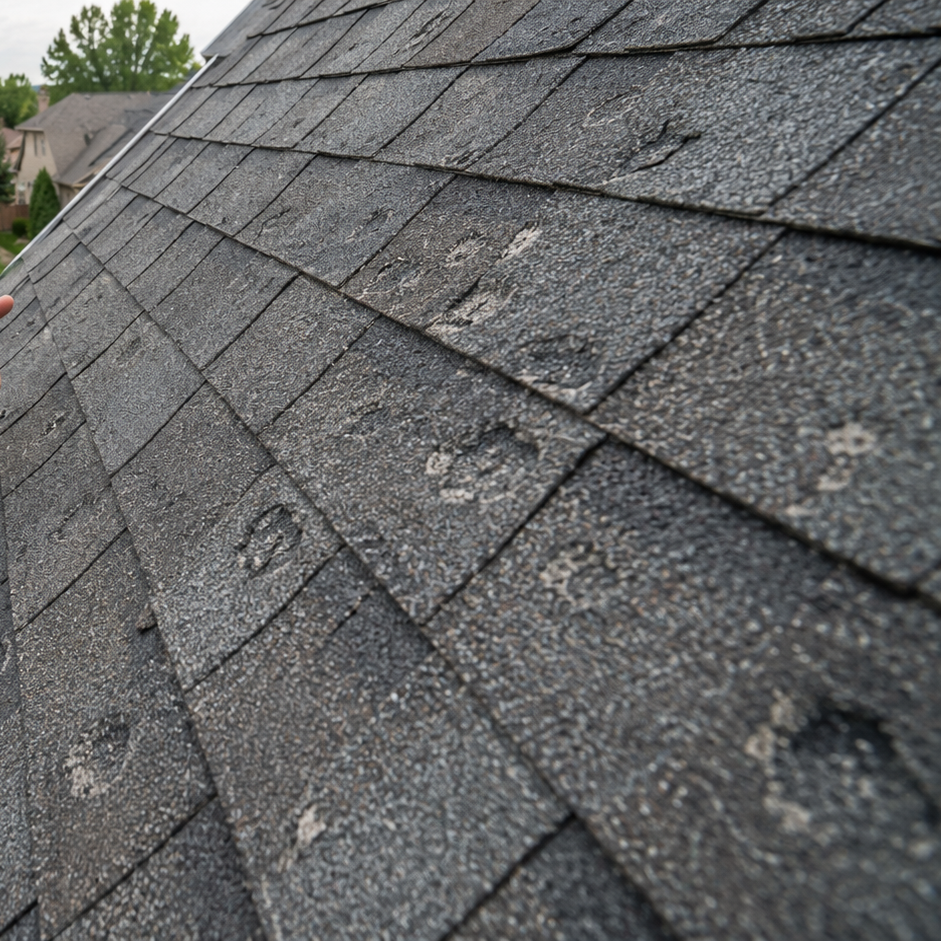
After a Denver-area hail or wind event, roofing damage may be easy to see or difficult to recognize from the ground.

Check the Roof Even When Damage Is Not Obvious

After a Denver-area hail or wind event, roofing damage may be easy to see or difficult to recognize from the ground. Missing shingles, exposed underlayment, damaged vents, bent gutters, fallen branches, and active leaks call for quick attention. Other concerns, including hail impacts, loosened edges, bruised shingles, or compromised flashing, may require a closer inspection. Denver Roofers Co evaluates visible storm conditions and helps property owners understand whether temporary protection, repair, monitoring, or replacement should be considered.

We can photograph accessible damage, identify affected roofing components, and prepare a written roofing scope. We do not promise that an insurance carrier will approve a claim, pay for a specific item, or agree with every contractor recommendation. Those decisions belong to the property owner and insurer. Our role is to provide an independent roofing assessment, complete the agreed work properly, and communicate clearly about the condition we observe. If water is actively entering the building, share that information when you contact us so the request can be prioritized appropriately.

Storm-Related Roofing Services

Storm work can range from temporary weather protection to isolated repairs or a full replacement. The response depends on safety, the extent of damage, and the condition of the roof before the event.

Hail Damage Inspection

We inspect accessible roof surfaces and exterior components for visible impact patterns, fractures, exposed material, damaged metals, and related conditions. Normal aging and manufacturing characteristics are distinguished from storm indicators when possible.

Wind Damage Assessment

Wind can remove shingles, crease tabs, lift edges, loosen ridge materials, and damage flashing. We look beyond the most obvious missing piece to assess nearby areas that may have been weakened.

Emergency Weather Protection

Temporary covering or stabilization may reduce additional water entry until permanent work is possible. Safe access, wind, lightning, snow, and wet surfaces can delay emergency roof work.

Repair or Replacement Scope

After inspection, we prepare a roofing recommendation based on the affected area, material availability, roof age, repairability, and broader system condition.

Photo and Work Documentation

We document visible conditions and the roofing work we propose. This information may support your records, but it does not determine policy coverage or replace communication with your insurer.

Planning Ranges for Storm Roofing Work

ServiceEstimated CostAverage
Post-storm roof assessment$0-$450Varies by access and scope
Temporary weather protection$450-$2,500$1,100
Localized wind or hail repair$750-$5,000$2,200
Storm-related roof replacement$8,000-$30,000$16,000

Pricing depends on urgency, roof access, safety conditions, material availability, affected area, and the final repair or replacement scope. Insurance deductibles and coverage decisions are separate from contractor pricing.

What Happens After You Contact Us

  1. Identify urgent conditions

    We ask about active leaks, exposed materials, fallen trees, electrical hazards, and other concerns that may affect safety or priority.

  2. Inspect accessible areas

    The roof and related exterior components are checked for visible storm effects and pre-existing wear.

  3. Document and recommend

    We provide photographs when appropriate and explain whether temporary work, repair, replacement, or monitoring is recommended.

  4. Prepare the scope

    Proposed roofing work is written clearly so the property owner can review materials, pricing, assumptions, and exclusions.

  5. Complete the approved work

    Once authorized and safely scheduled, the crew performs the agreed roofing work and documents completion.

How to Respond After Storm Damage

  1. 1

    Ensure immediate safety

    If water is actively entering the home, place buckets under leaks, move valuables, and if safe, puncture sagging ceilings to release trapped water. This prevents secondary damage to drywall and insulation.

    Need: Buckets, tarps, extension cords
  2. 2

    Document visible damage from the ground

    Take photos of the entire roof from all angles, focusing on missing shingles, granule accumulation in gutters, dented vents, and damaged flashing. Do not climb on the roof after a storm — wet surfaces are slippery and structural integrity may be compromised.

    Need: Camera or phone
  3. 3

    Check your insurance policy

    Review your homeowners insurance for storm damage coverage. Most policies cover hail and wind damage, but filing timelines vary. Some carriers require claims to be filed within 30-90 days of the event.

    Need: Insurance policy documents
  4. 4

    Contact a roofing company for assessment

    Professional roofers can assess damage that's not visible from the ground — such as hairline cracks in shingles, compromised underlayment, or weakened decking. These hidden damages can lead to problems months after the storm.

    Need: Professional roofing inspection
  5. 5

    Schedule temporary protection if needed

    If active leaks cannot be immediately repaired, temporary tarping provides immediate protection. Quality storm damage companies will tarp affected areas within 24-48 hours of a call.

    Need: Professional tarping service

Why Denver Homeowners Choose Us for Hail & Storm Damage Roofing

Calm, organized response

We separate urgent water-control needs from work that can be inspected, documented, and planned normally.

Clear documentation

Visible conditions and proposed roofing work are recorded without promising a particular insurance outcome.

Repairability review

We consider material matching, roof age, surrounding condition, and whether a localized repair can be completed responsibly.

Colorado storm experience

Our team understands the combinations of hail, wind, snow, and rapid weather changes common around Denver.

Frequently Asked Questions About Hail & Storm Damage Roofing

How do I know if my roof was damaged by hail?

Hail damage may be visible from the ground or require a close inspection. Signs include bruised or dented shingles, exposed granules in gutters, cracked asphalt surfaces, and damaged flashing or vents. We inspect accessible surfaces and document visible conditions.

Do I need to document roof damage for insurance?

Documentation can be helpful for insurance claims. We photograph visible damage, prepare a written roofing scope, and provide details about the observed conditions. Insurance coverage decisions remain with your carrier and policy terms.

What should I do immediately after a storm?

If you notice active leaks or exposed materials, take steps to prevent interior water damage when possible. Contact us to arrange an inspection. We can provide temporary weather protection if needed while the full scope is evaluated.

How long after a storm should I get my roof inspected?

We recommend scheduling an inspection within a few days of a major hail or wind event. Insurance carriers sometimes have filing deadlines, so earlier documentation helps. Availability may be limited immediately after large storms, so we organize requests by urgency.

Can hail damage be repaired, or does the whole roof need replacement?

It depends on the extent of damage, roof age, material type, and manufacturer warranty requirements. Some properties need only isolated repairs. Others may qualify for full replacement, particularly if the roof is older or damage is widespread.

Will my insurance cover storm roof damage?

We cannot predict or guarantee insurance outcomes. We document visible conditions and explain the roofing work we believe is needed. Your insurance carrier determines coverage based on your policy terms, deductible, and claim process.

How do you handle emergency weather protection?

When immediate water entry is occurring or materials are exposed, we can install temporary coverings or stabilization to reduce further damage until a permanent repair or replacement can be scheduled safely.

You Might Also Be Interested In

Ready to Get Started?

Have a storm-affected roof checked before the next round of severe weather.